Sunscreen for Indian Summers: SPF, PA++++, and Why It Matters
A no-nonsense guide to sunscreen in India: what SPF and PA ratings mean, how much to apply, chemical vs mineral filters, and textures that survive the heat.

If you only use one skincare product, make it sunscreen. In India, where the UV index regularly hits 10 or more for much of the year, sunscreen does more for tanning, dark spots, wrinkles and uneven tone than any serum on the market.
Yet most men either skip it or use it wrong. This guide explains what the numbers mean, how much to apply, and how to find a formula you will actually wear in 40°C heat.
UVA vs UVB in one minute
Sunlight contains two types of ultraviolet radiation that matter for skin:
- UVB has shorter wavelengths, affects the outer layers and causes burning. It peaks around midday.
- UVA has longer wavelengths, penetrates deeper, passes through glass and clouds, and drives tanning, pigmentation and premature ageing. It is present all day, all year.
For Indian skin, which tans and pigments easily, UVA protection matters just as much as UVB.
What SPF actually means
SPF (Sun Protection Factor) measures protection against UVB. It is tested by applying 2 mg of sunscreen per square centimetre of skin and comparing how long it takes to redden with and without it.
| SPF | Approx. UVB blocked |
|---|---|
| 15 | 93% |
| 30 | 97% |
| 50 | 98% |
The jump from SPF 30 to 50 looks small, but real-world application is almost always lower than lab conditions. SPF 50 gives a margin for that error.
What PA++++ means
PA is a rating system for UVA protection, developed in Japan and widely used on Asian and Indian sunscreens. It is based on how much the sunscreen reduces persistent pigment darkening.
- PA+: some UVA protection
- PA++: moderate
- PA+++: high
- PA++++: extremely high
For India, aim for PA+++ or PA++++. If a sunscreen lists only SPF and no PA rating or “broad spectrum” claim, you do not know how well it protects against tanning.
How much to apply
The two-finger rule: squeeze a line of sunscreen along the length of your index and middle fingers. That is roughly the amount for your face and neck. It feels like a lot. It is the amount the SPF on the label was tested at.
Apply it as the last step of your morning routine, 10 to 15 minutes before going outside.
How often to reapply
- Outdoors: every two to three hours.
- After sweating, swimming or wiping your face: immediately.
- Indoors, away from windows: once in the morning is generally fine.
- Near windows or driving: UVA passes through glass. Reapply around midday if you spend hours by a window or in a car.
Reapplying over a beard or a sweaty face is easier with a gel or stick sunscreen. Some people use an SPF powder on top for touch-ups, though powders alone rarely give full protection.
The best sunscreen is the one you are happy to wear every single morning.
Chemical vs mineral filters
Chemical (organic) filters such as avobenzone, octocrylene, bemotrizinol (Tinosorb S) and others absorb UV. They tend to be lightweight and invisible, which suits Indian skin tones.
Mineral (physical) filters, namely zinc oxide and titanium dioxide, sit on the skin and scatter and absorb UV. They are gentle and good for sensitive skin, but older formulas can leave a white or grey cast on medium and deep skin. Tinted mineral sunscreens solve this.
Both work. Many of the best modern sunscreens combine them. Read more in our zinc oxide guide.
Finding a texture you will actually wear
| Skin type | Look for | Avoid |
|---|---|---|
| Oily / acne-prone | Gel, fluid, “matte” or “dry touch” | Heavy creams, oils |
| Combination | Fluid or light lotion | Thick, rich creams |
| Dry | Lotion, cream, “dewy” | Alcohol-heavy gels |
| Sensitive | Mineral or hybrid, fragrance-free | Fragrance, high alcohol |
Under a beard, fluid and gel textures spread more evenly and do not leave white residue in the hair.
Sunscreen for men: beards, sweat and sports
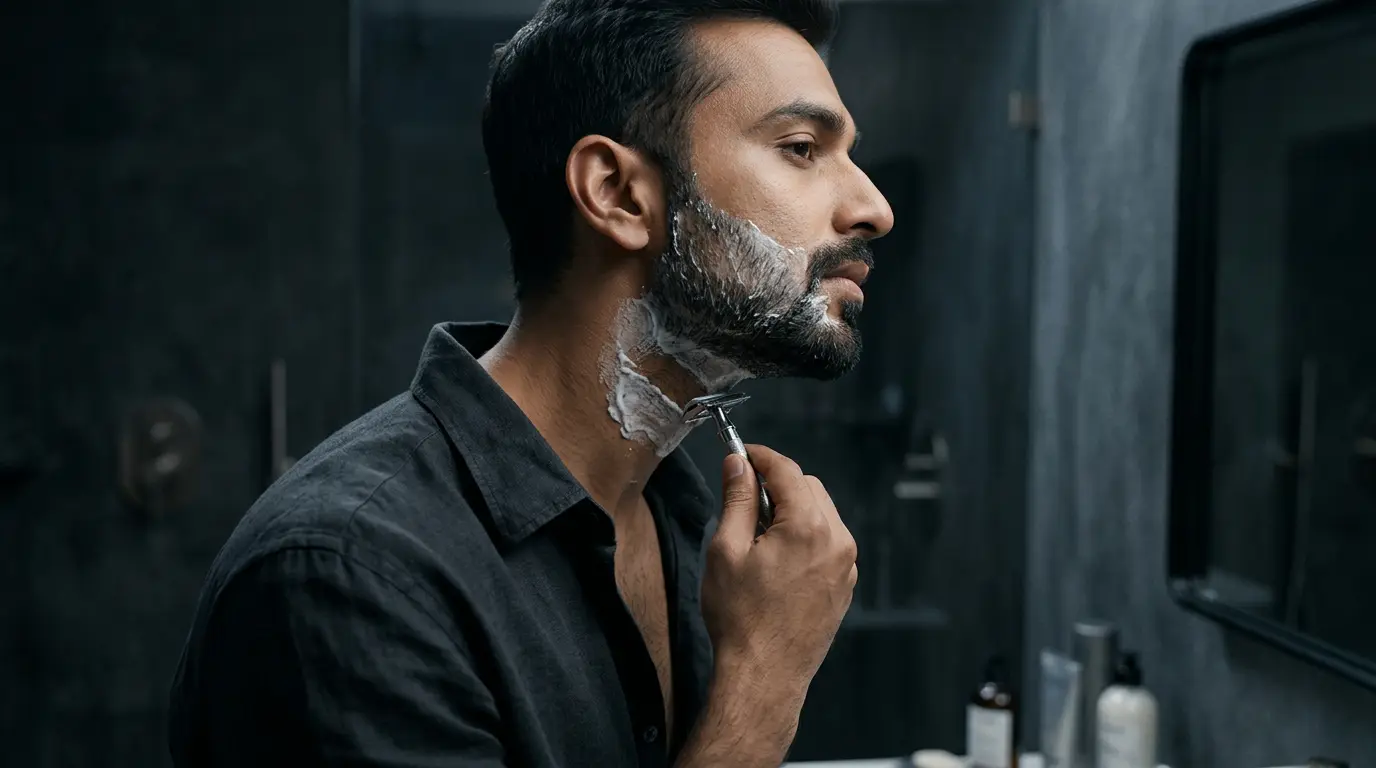
Beards: apply sunscreen before you style your beard, working a fluid or gel formula into the skin with your fingertips against the direction of growth. Exposed areas (cheeks, nose, forehead, ears) need the most attention. Spray sunscreens can help for the scalp line and the back of the neck, but spray into your hands first and apply; do not inhale.
Sweat: no sunscreen is truly sweat-proof. Labels like “water resistant (40 minutes)” or “(80 minutes)” tell you how long protection lasts during swimming or sweating. After that, or after towelling off, reapply.
Cricket, running and two-wheelers: sport-style sunscreens with water resistance, a cap, and UV-blocking sunglasses make a big difference. Riders should cover the hands and forearms too: these areas tan heavily and are often forgotten.
Reading the label: a 20-second check
- SPF 30 or higher.
- PA+++ or PA++++, or “broad spectrum” if PA is not listed.
- Texture word that matches your skin: gel, fluid, matte, dewy, cream.
- Water resistance if you sweat a lot.
- Expiry date. Sunscreen filters degrade; do not use one past its date or one that has been cooking in a car glovebox all summer.
How much sunscreen costs to use properly
Applying the correct amount (about 1.2 to 1.5 ml for face and neck) every morning uses a typical 50 ml tube in roughly five to six weeks, sooner if you reapply. That is why we prefer good, affordable sunscreens: a ₹400 sunscreen used generously protects far better than a ₹1,500 one used sparingly to make it last.
Sunscreen and vitamin D
A common worry is that sunscreen causes vitamin D deficiency. In practice, real-world sunscreen use has not been shown to cause deficiency, because almost nobody applies it perfectly and skin still gets some UVB. Vitamin D deficiency is common in India for other reasons (indoor lifestyles, covered clothing, diet). If you are concerned, ask your doctor for a blood test and a supplement if needed, rather than skipping sun protection on your face.
Common sunscreen mistakes
- Using too little.
- Applying once at 8 am and expecting protection at 4 pm.
- Skipping ears, neck and the back of the hands.
- Relying on SPF in moisturiser or makeup alone.
- Choosing a sunscreen with no PA rating.
- Skipping it on cloudy or monsoon days.
Sunscreen and dark spots
If you are using vitamin C, If you are using If you are using vitamin C, niacinamide or azelaic acid to fade dark spots, sunscreen is not optional. UV exposure keeps stimulating pigment, which undoes your progress. Many people find that consistent sunscreen alone fades their tan noticeably within two to three months., niacinamide or azelaic acid to fade dark spots, sunscreen is not optional. UV exposure keeps stimulating pigment, which undoes your progress. Many people find that consistent sunscreen alone fades their tan noticeably within two to three months. or azelaic acid to fade dark spots, sunscreen is not optional. UV exposure keeps stimulating pigment, which undoes your progress. Many people find that consistent sunscreen alone fades their tan noticeably within two to three months.
Our recommendations
For the best affordable options, see Best Sunscreens Under ₹500. If you have oily skin and can spend a little more, our full Re’equil Ultra Matte review explains why it is our benchmark.
Products mentioned
*Prices are approximate at the time of writing. Check the retailer for today's price, or compare all products.
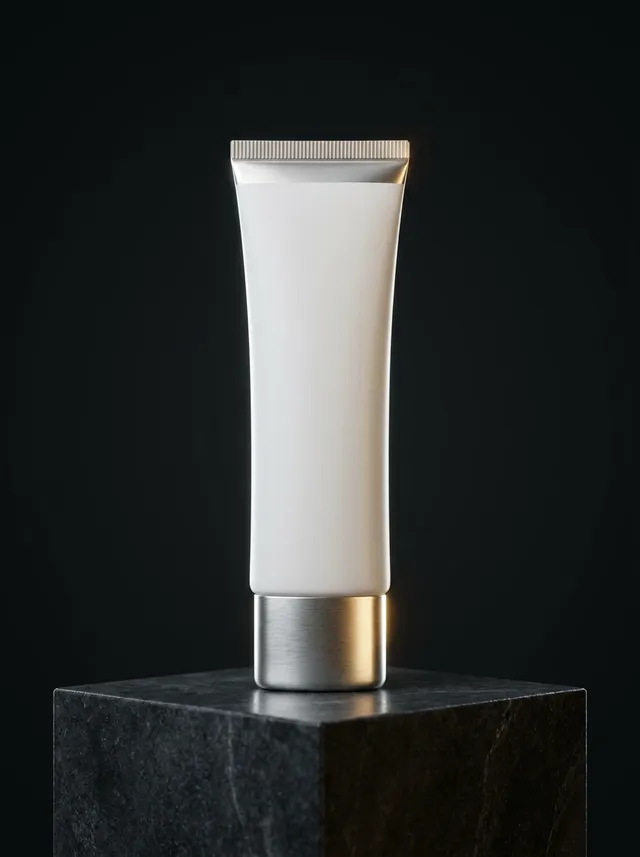
Re'equil
Ultra Matte Dry Touch Sunscreen SPF 50 PA++++
oilycombinationacne-prone
Frequently asked questions
Do people with darker skin need sunscreen?
Yes. Melanin offers some natural protection against burning, but darker skin is highly prone to tanning, pigmentation and dark spots, which UVA drives. Sunscreen is the most effective way to prevent and fade them.
Can sunscreen cause acne?
Some heavy, oily formulas can contribute to breakouts in acne-prone skin. Gel and fluid sunscreens labelled non-comedogenic are usually fine. The fix is to change the formula, not skip sunscreen.
Do I need sunscreen during the monsoon?
Yes. Clouds block only some UV radiation, and UV index in much of India stays moderate to high even on overcast days.
Is makeup with SPF enough?
Rarely. You would need to apply far more foundation or BB cream than anyone actually uses to reach the labelled SPF. Wear a dedicated sunscreen underneath.
This article is for education only and is not a substitute for advice from a qualified dermatologist. Patch test new products. See our medical disclaimer.