Ingredient guide · Element 06
Ceramides
Ceramides are the lipids that hold your skin barrier together. Topical ceramides reduce dryness, sensitivity and irritation from actives.
- Group
- Barrier
- Effective %
- Varies (often 0.1–1% blends)
- Working pH
- 5.0–7.0
- Use
- AM / PM
- Evidence
- Good
In plain English: If your face stings, flakes or turns red easily, your skin’s protective layer is probably worn out. Ceramides help rebuild it. Look for them in your moisturiser.
Think of your skin barrier as a brick wall: skin cells are the bricks, and lipids are the mortar. Ceramides make up roughly half of that mortar. When ceramides are depleted by harsh cleansers, dry air, age or actives, the wall leaks water and lets irritants in.
What they do
- Repair and reinforce the skin barrier.
- Reduce water loss, so skin stays hydrated longer.
- Lower sensitivity, making stinging and redness less likely.
How to use them
Look for a moisturiser containing ceramides alongside cholesterol and fatty acids, which mimic the skin’s natural lipid ratio. Use it morning and night, especially when starting retinol or acne treatments.
Who should use them
Dry, sensitive and eczema-prone skin, anyone on retinoids, and everyone in a dry winter.
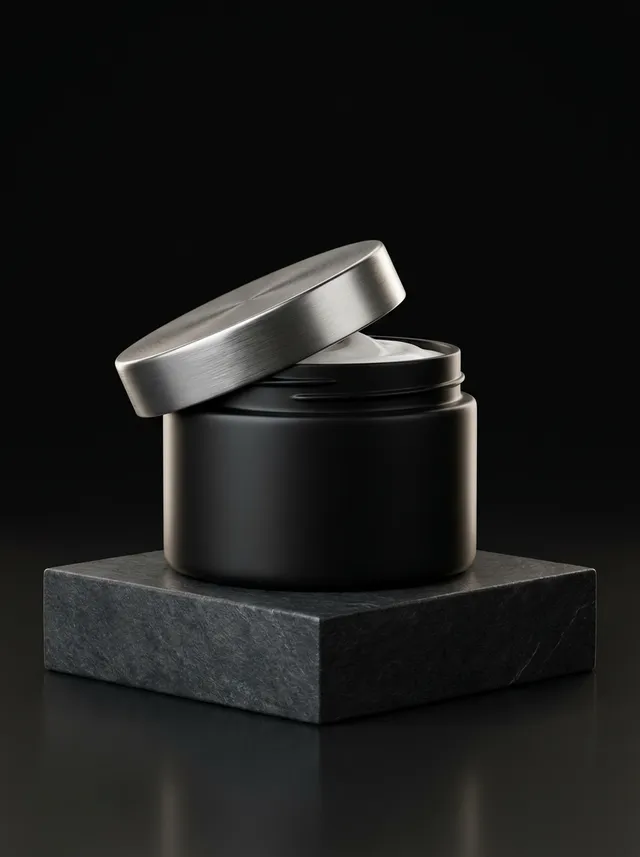
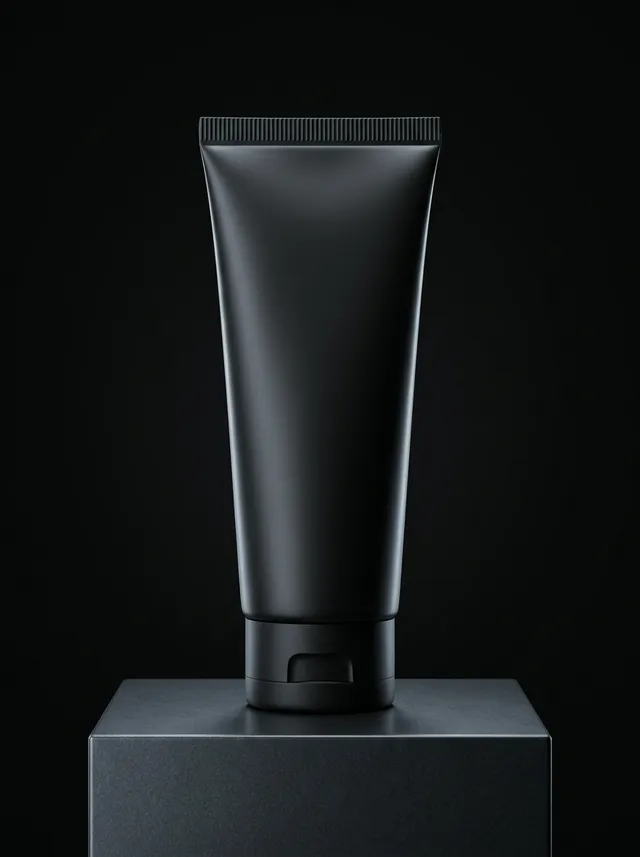
Formulas we rate
Frequently asked questions
Does oily skin need ceramides?
Oily skin can still have a damaged barrier, especially if you use acne treatments. Ceramides in a light lotion or gel-cream help without adding heaviness.
Are ceramides in a cleanser useful?
They help the cleanser feel less stripping, but leave-on moisturisers deliver far more benefit.
Where Ceramides shows up

Best Face Wash for Oily Skin in India: An Ingredient-First Guide
· 8 min read
Hyaluronic Acid in Humid vs Dry Climates
· 7 min read
Niacinamide Explained: What It Actually Does
· 7 min read