Ingredient guide · Element 05
Vitamin C
Vitamin C is an antioxidant that brightens dull skin, fades dark spots and boosts sunscreen's defence against UV and pollution. Best used in the morning.
- Group
- Vitamin
- Effective %
- 10–20% (L-ascorbic acid)
- Working pH
- 3.0–3.5 (L-AA)
- Use
- AM
- Evidence
- Good
In plain English: Stubborn tan, dull skin, or you spend a lot of time in traffic and smog? Vitamin C in the morning brightens your skin and gives your sunscreen extra backup.
Vitamin C is the most studied topical antioxidant. Applied in the morning under sunscreen, it helps neutralise free radicals generated by UV and pollution, while brightening the skin over time.
What it does
- Protects against oxidative stress from UV and pollution, complementing sunscreen.
- Brightens dull skin and fades dark spots by interfering with pigment production.
- Supports collagen, as vitamin C is essential for collagen synthesis.
How to use it
After cleansing in the morning, apply a few drops, then moisturiser and sunscreen. Start every other day if your skin is sensitive. It is a key step in our Delhi NCR pollution guide.
Who should use it
Anyone concerned about tanning, dullness or dark spots, and anyone living in a polluted city.
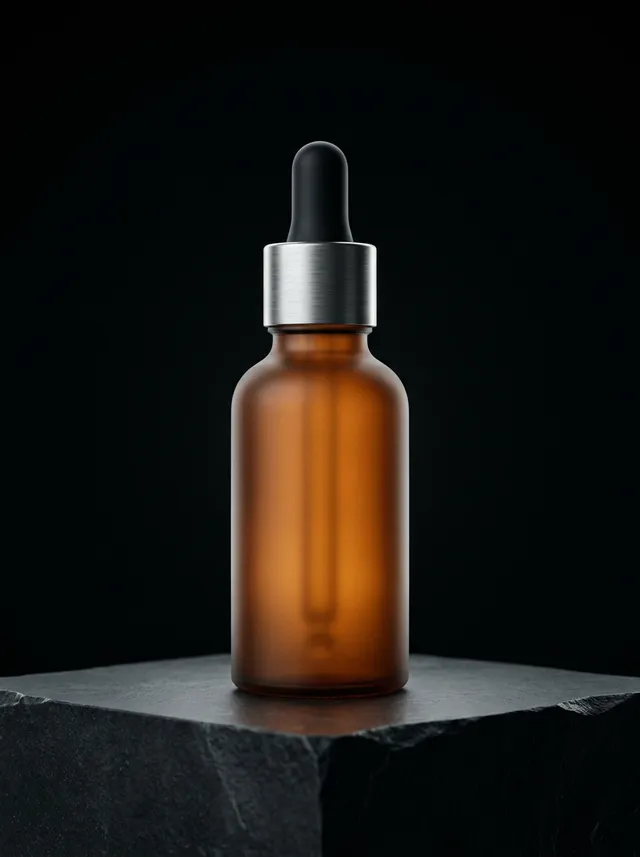
Formulas we rate
Frequently asked questions
My vitamin C serum turned orange. Is it still good?
A slight yellow tint is normal. Dark orange or brown means it has oxidised and lost much of its effect. Replace it, and store the next one away from light and heat.
Which form of vitamin C is best?
L-ascorbic acid has the most research but is unstable and can sting. Derivatives like sodium ascorbyl phosphate, ascorbyl glucoside and ethyl ascorbic acid are gentler and more stable, with somewhat less evidence.
Where Vitamin C shows up

Dark Circles: What Works and What's a Myth
· 7 min read
How to Layer Skincare Products (The Correct Order)
· 7 min read
Hyaluronic Acid in Humid vs Dry Climates
· 7 min read