Ingredient guide · Element 02
Retinol
Retinol (vitamin A) speeds cell turnover and boosts collagen to smooth texture, soften lines, prevent clogged pores and fade marks. Start low and slow.
✓ Verified ingredient · strong clinical evidence
- Group
- Vitamin
- Effective %
- 0.1–0.3% (up to 1%)
- Working pH
- 5.5–6.0
- Use
- PM
- Evidence
- Strong
In plain English: The ingredient dermatologists actually rate for rough texture, clogged pores and the first fine lines. It’s powerful, so you ease in slowly, but it’s the closest thing skincare has to a long-term upgrade.
Retinol belongs to the retinoid family, derivatives of vitamin A. Once inside the skin, it is converted to retinoic acid, which binds to receptors in skin cells and changes how they behave: turning over faster, shedding more evenly and producing more collagen.
What it does
- Smooths texture by encouraging orderly cell turnover.
- Softens fine lines by stimulating collagen over months.
- Prevents clogged pores, reducing blackheads and acne.
- Fades marks by moving pigmented cells out faster.
How to start
Use 0.1 to 0.3% two nights a week on dry skin, with moisturiser before and after (the sandwich method). Increase gradually over 6 to 8 weeks. Read our full retinol for beginners guide.
Sunscreen is mandatory
Retinol increases sun sensitivity at first, and UV undoes its collagen benefits. Wear SPF 30 or higher with PA+++ every day.
Who should avoid it
Anyone pregnant, breastfeeding or trying to conceive, and anyone already using a prescription retinoid or oral isotretinoin.
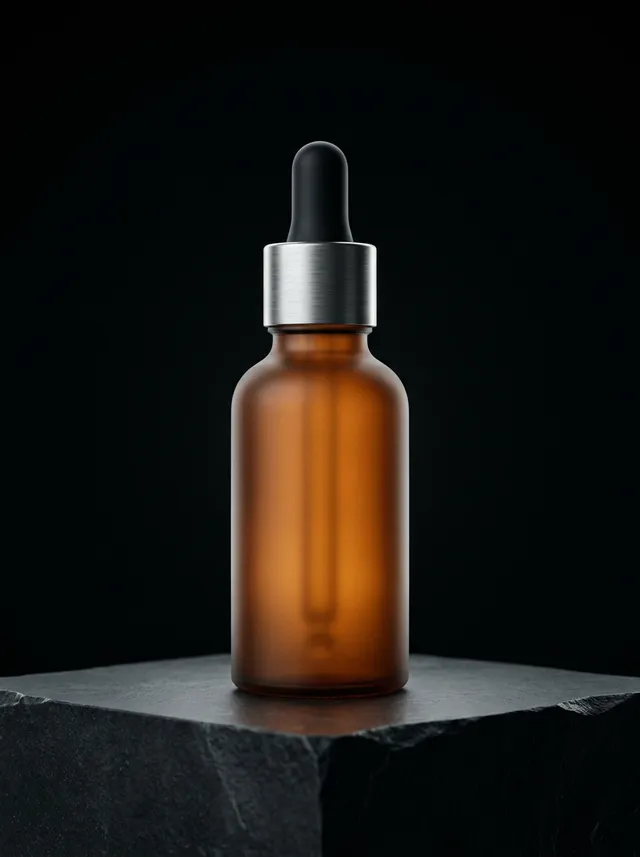
Formulas we rate
Frequently asked questions
How much retinol should I use?
A pea-sized amount for the entire face. More does not work faster; it just irritates more.
Why does retinol make my skin peel?
Faster cell turnover and a temporarily weaker barrier cause dryness and peeling in the first weeks. Reduce frequency, use the sandwich method and moisturise well. It usually settles within 4 to 6 weeks.
Can I use retinol around my eyes?
Yes, carefully: apply on the orbital bone, not on the eyelids, and start less often than on the rest of the face.
Where Retinol shows up
Beard Care and Skin: Fixing Ingrown Hairs and Razor Bumps
· 7 min read
Dark Circles: What Works and What's a Myth
· 7 min read
How to Layer Skincare Products (The Correct Order)
· 7 min read