Salicylic Acid vs Benzoyl Peroxide for Acne
Salicylic acid or benzoyl peroxide? How each acne ingredient works, which type of breakout each treats best, how to use them together and how to avoid irritation.
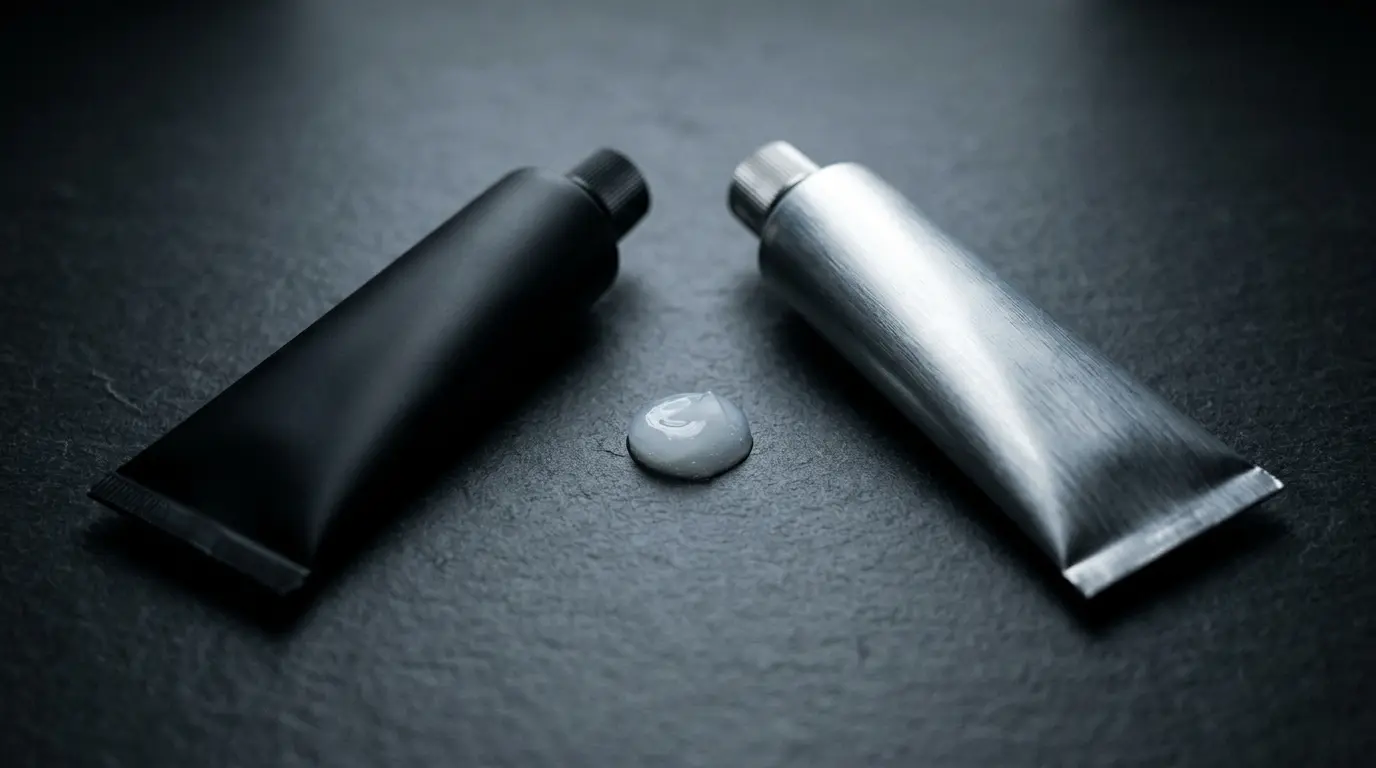
You’re standing at the chemist counter with a breakout, and the pharmacist offers you two tubes. One says You’re standing at the chemist counter with a breakout, and the pharmacist offers you two tubes. One says salicylic acid, the other benzoyl peroxide. Which one? Salicylic acid and benzoyl peroxide are the two most common over-the-counter acne ingredients in India, and they are often treated as interchangeable. They are not. They attack acne from different angles, and choosing the right one for your breakouts makes a big difference., the other benzoyl peroxide. Which one? Salicylic acid and benzoyl peroxide are the two most common over-the-counter acne ingredients in India, and they are often treated as interchangeable. They are not. They attack acne from different angles, and choosing the right one for your breakouts makes a big difference.
How acne forms
Every pimple starts the same way, usually two to three weeks before you see it:
- Excess oil. Sebum production increases, often driven by hormones and heat.
- Clogged pores. Dead skin cells stick together instead of shedding, mixing with oil to form a plug (a microcomedone).
- Bacteria. Cutibacterium acnes, a bacterium that normally lives on skin, multiplies inside the blocked pore.
- Inflammation. Your immune system responds, creating a red, swollen pimple.
Salicylic acid mainly works on step 2. Benzoyl peroxide mainly works on step 3.
Salicylic acid: the pore cleaner
Salicylic acid is a beta hydroxy acid (BHA). Unlike water-soluble acids such as glycolic acid, it is oil-soluble, so it can travel into oily pores and loosen the bonds between dead cells. It also has mild anti-inflammatory effects.
Best for: blackheads, whiteheads, bumpy texture, mild breakouts and oily skin.
Typical strengths: 0.5 to 2% in cleansers, toners and serums.
Side effects: dryness, mild stinging, occasional flaking.
Benzoyl peroxide: the bacteria killer
Benzoyl peroxide releases oxygen inside the pore, which kills C. acnes bacteria. Bacteria do not develop resistance to it, which is why dermatologists often combine it with antibiotics. It also has a mild peeling effect.
Best for: red, inflamed pimples and pustules (the ones with a white head).
Typical strengths: 2.5%, 5% and 10%. Studies show 2.5% is often about as effective as higher strengths, with significantly less irritation.
Side effects: dryness, peeling, redness, and it bleaches fabric.
Side by side
| Salicylic acid | Benzoyl peroxide | |
|---|---|---|
| Main action | Unclogs pores | Kills acne bacteria |
| Best for | Blackheads, whiteheads | Inflamed red pimples |
| Strength | 0.5 to 2% | 2.5% to start |
| Irritation | Low to moderate | Moderate |
| Bleaches fabric | No | Yes |
| Use with retinoids | Alternate nights | Alternate nights (can degrade some retinoids) |
Blackheads are a plumbing problem. Red pimples are an infection problem. Pick the tool for the job.
How to use benzoyl peroxide without wrecking your skin
- Start with a 2.5% gel.
- Apply a thin layer to the whole acne-prone area, not just spots, because it prevents new breakouts.
- Use it every other night for the first two weeks, then nightly if tolerated.
- Moisturise afterwards. A simple gel or cream moisturiser reduces dryness significantly.
- Wear sunscreen daily. Irritated skin is more prone to dark marks.
A useful technique is short contact therapy: apply benzoyl peroxide, leave it for 5 to 10 minutes, then rinse. It reduces irritation while keeping much of the antibacterial effect.
Using both together
Many people benefit from both. The simplest approach:
- Morning: salicylic acid cleanser, moisturiser, sunscreen.
- Night: gentle cleanser, benzoyl peroxide 2.5% on acne-prone areas, moisturiser.
If your skin stays calm for a month, you can add a leave-on salicylic product on alternate nights.
What about azelaic acid?
Azelaic acid is an excellent alternative if your skin is sensitive. It has antibacterial and anti-inflammatory effects, helps unclog pores, and fades the brown marks acne leaves on Indian skin. It is gentler than benzoyl peroxide and safe in pregnancy. See our azelaic acid guide.
Body acne: back, chest and shoulders
Indian summers and gym sweat make body acne common in men. The same two ingredients work here, often even better because body skin is thicker.
- Benzoyl peroxide wash (4 to 5%) in the shower: lather on the back and chest, leave for two to three minutes, rinse. Use white towels and old t-shirts at first.
- Salicylic acid body wash or spray for clogged pores and bumps.
- Shower soon after workouts and change out of sweaty clothes quickly.
- Loose, breathable cotton reduces friction and trapped sweat.
If body breakouts look like small, itchy, uniform bumps that do not respond to these treatments, they may be fungal folliculitis (often called “fungal acne”), which is common in humid weather and needs different treatment. See a dermatologist.
Reading acne product labels
Many Indian products say “anti-acne” without telling you the active. Look for these on the ingredient list:
| Label says | What it is | Notes |
|---|---|---|
| Salicylic acid, BHA, betaine salicylate | Pore-unclogging acid | Betaine salicylate is gentler, less studied |
| Benzoyl peroxide | Antibacterial | Prescription-strength not needed to start |
| Azelaic acid | Antibacterial, anti-pigment | Good for marks |
| Adapalene | Retinoid | Typically a doctor-prescribed product in India |
| Tea tree oil | Botanical antimicrobial | Weaker evidence, can irritate |
A week-by-week starting plan
Weeks 1 to 2: salicylic acid cleanser daily, benzoyl peroxide 2.5% every other night, moisturiser, sunscreen.
Weeks 3 to 6: benzoyl peroxide nightly if your skin is comfortable. Expect some dryness; keep moisturising.
Weeks 6 to 12: judge results. Fewer new red spots is the first sign. If nothing has changed by week 12, it is time for a dermatologist.
Diet, stress and acne: what to believe
Readers often ask whether food or stress causes their breakouts. The evidence is mixed but worth knowing.
- High-glycaemic foods (sugary drinks, white bread, sweets) have been linked to acne in several studies. Cutting back may help some people.
- Dairy, especially skimmed milk, shows a modest association with acne in some research. It is worth testing if you drink a lot of milk or use whey protein.
- Stress does not create acne directly, but it can worsen existing acne through hormonal changes.
- Oily food on the plate does not translate into oily skin. Greasy fingers touching your face, however, can clog pores.
None of these replace topical treatment. Think of them as small levers alongside a consistent routine.
Mistakes to avoid
- Spot-treating only. Acne forms weeks before you see it. Treat the whole zone.
- Using everything at once. Salicylic acid, benzoyl peroxide, retinol and a scrub on the same night is a recipe for a damaged barrier.
- Picking and squeezing. It spreads inflammation and greatly increases the risk of dark marks and scars.
- Stopping too soon. Give a treatment 8 to 12 weeks.
- Using toothpaste, lemon or garlic. These are irritants, not acne treatments.
Which one should you start with?
- Mostly blackheads and bumps: start with salicylic acid.
- Mostly red, inflamed pimples: start with benzoyl peroxide 2.5%.
- Sensitive skin or lots of dark marks: consider azelaic acid.
- Painful cysts or scarring: see a dermatologist now. Prescription retinoids, antibiotics or isotretinoin may be needed, and early treatment prevents permanent scars.
Not sure where you fit? Our Routine Builder recommends an acne routine based on your skin type and sensitivity.
Products mentioned
*Prices are approximate at the time of writing. Check the retailer for today's price, or compare all products.
Frequently asked questions
Which is better for blackheads?
Salicylic acid. It is oil-soluble, so it penetrates pores and loosens the plugs of oil and dead skin that form blackheads. Benzoyl peroxide has a smaller effect on blackheads.
Does benzoyl peroxide bleach towels?
Yes. It bleaches fabric, including towels, pillowcases and coloured t-shirts. Use white towels and pillowcases, and let it dry fully before your face touches fabric.
How long do these take to work?
Expect to see improvement in 4 to 6 weeks and a clear judgement after 8 to 12 weeks. Acne treatments are slow because each breakout begins forming weeks before you see it.
When should I see a dermatologist?
If you have painful cysts or nodules, scarring, acne that has not improved after three months of consistent over-the-counter care, or acne that affects your mood and confidence. Prescription options work very well.
This article is for education only and is not a substitute for advice from a qualified dermatologist. Patch test new products. See our medical disclaimer.