Ingredient guide · Element 03
Salicylic Acid
Salicylic acid is an oil-soluble BHA that clears clogged pores, reduces blackheads and calms mild breakouts. A staple for oily, acne-prone skin.
✓ Verified ingredient · strong clinical evidence
- Group
- Exfoliant
- Effective %
- 0.5–2%
- Working pH
- 3.0–4.0
- Use
- AM / PM
- Evidence
- Strong
In plain English: Blackheads on your nose, bumps on your forehead, oily skin that clogs easily? Salicylic acid gets inside pores and clears them out. You’ll most often meet it in a face wash.
Salicylic acid is a beta hydroxy acid (BHA). Its defining feature is that it dissolves in oil, which means it can travel into the oily lining of pores where blackheads and acne begin.
What it does
- Loosens pore plugs by dissolving the bonds between dead skin cells.
- Reduces blackheads and whiteheads with regular use.
- Calms mild inflammation, as it is chemically related to aspirin.
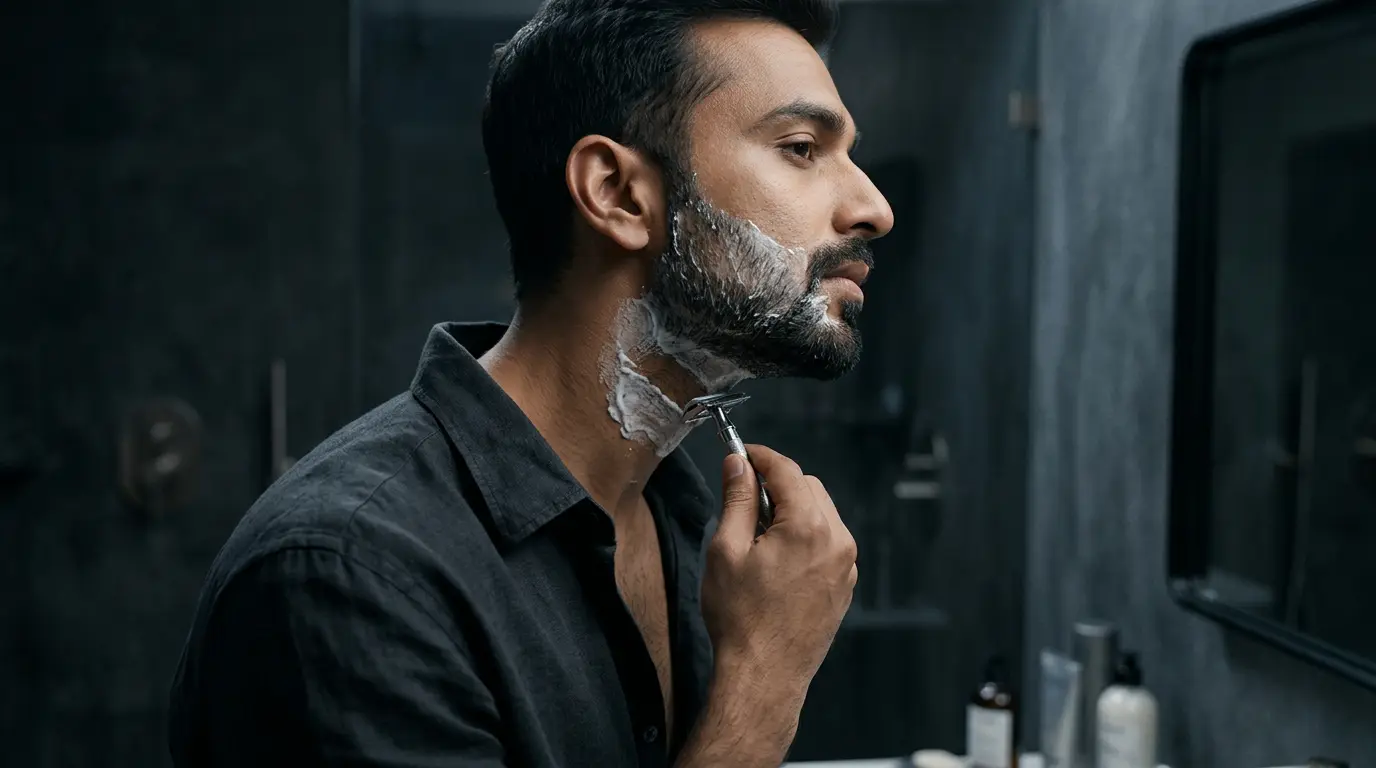
- Smooths texture, including bumpy skin and razor bumps.
How to use it
As a cleanser, use it once or twice daily. As a leave-on serum or toner, start two or three nights a week after cleansing, then moisturise. Avoid using it on the same night as retinol when you are starting out.
Who should use it
Oily, combination and acne-prone skin, and men who get bumps after shaving. Dry or very sensitive skin should use it sparingly. Compare it with benzoyl peroxide in Salicylic Acid vs Benzoyl Peroxide.
Formulas we rate
Frequently asked questions
Can I use salicylic acid every day?
A salicylic cleanser is usually fine daily. Leave-on serums or toners are best started at two to three times a week, then increased if your skin tolerates them.
Is salicylic acid safe in pregnancy?
Low-strength topical salicylic acid in cleansers is generally considered low risk, but high-strength leave-on products and peels are usually avoided. Ask your doctor.