Dark Circles: What Works and What's a Myth
Why dark circles happen, especially on Indian skin, how to identify your type, and which treatments actually help versus what is just marketing.

Someone at work says “You look tired, yaar” on a day you slept eight hours. Sound familiar? Dark circles are one of the most searched skin concerns in India, and one of the most over-promised. Pharmacy shelves are full of eye creams claiming to “erase” them in a week. Very few deliver, because most do not address why the circles are there in the first place.
Why Indian skin gets dark circles
Darker skin types have more active melanocytes, the cells that make pigment. The thin skin around the eyes is especially prone to collecting extra pigment, often from genetics, sun exposure, rubbing or allergies. This is why periorbital hyperpigmentation is common across South Asia.
But pigment is only one cause.
The four types of dark circles
1. Pigmented (brown)
Brown or brownish-black discolouration, often extending onto the upper lid. Does not change much when you stretch the skin. The most common type on Indian skin.
2. Vascular (blue or purple)
Bluish or purple tones from blood vessels showing through thin skin. Often worse when tired, after crying, or with nasal congestion. Gently pressing the skin may briefly lighten it.
3. Structural (shadow)
A hollow (the tear trough) between the lower eyelid and cheek casts a shadow. It looks worse under overhead light and improves when you tilt your face up toward a light source. Common with age and in people with deep-set eyes.
4. Puffy
Fluid retention or fat pads create bags that cast shadows below them. Worse in the morning, after salty food or alcohol, or with allergies.
Many people have a mix.
What actually works
For pigmented circles
- Sunscreen around the eyes. UV darkens existing pigment. Use a gentle, fragrance-free sunscreen, and sunglasses outdoors.
- Niacinamide reduces pigment transfer and is gentle enough for the eye area.
- Vitamin C brightens and protects against UV-driven pigment.
- Azelaic acid can help, though it may sting close to the eyes.
- Low-strength retinol (carefully, on the orbital bone, not the lid) improves turnover.
- Stop rubbing. Allergies and constant eye-rubbing worsen pigmentation significantly.
For vascular circles
- Sleep and hydration help most.
- Caffeine temporarily constricts vessels and can reduce bluish tones and puffiness.
- Retinol may slowly thicken the skin over months, making vessels less visible.
- Treat allergies and congestion.
For structural hollows
Skincare has limited effect. Concealer with a peach or orange corrector neutralises shadows. Dermal fillers, done by a qualified dermatologist, are the main medical option.
For puffiness
- Sleep with your head slightly raised.
- Reduce salt and alcohol in the evening.
- Cold compresses in the morning.
- Caffeine eye gels for a quick, temporary effect.
Most eye creams fail because they treat every dark circle the same. Identify your type first.
The myths
“Sleep cures dark circles.” It helps puffiness and vascular circles. It does very little for genetic pigmentation.
“Expensive eye creams work better.” Price tells you nothing. Look for ingredients: caffeine, niacinamide, vitamin C, retinol, peptides.
“Potato juice and almond oil will lighten them.” There is no good evidence for potato juice, and raw potato can irritate. Almond oil moisturises, but does not fade pigment.
“Dark circles mean you are unhealthy.” Usually they are genetic or lifestyle-related. That said, very sudden darkening, along with fatigue or other symptoms, is worth a check-up for anaemia or thyroid issues.
“You can bleach them away.” Never use skin-bleaching creams, steroid creams or unprescribed hydroquinone near the eyes.
Lifestyle factors that genuinely matter
Allergies and eye-rubbing. Dust, pollen and pollution allergies are common in Indian cities, and they make people rub their eyes. Rubbing is one of the strongest drivers of under-eye pigmentation. Treating allergies (with your doctor’s advice) and breaking the habit can lighten circles over months.
Screen time and sleep schedule. Late nights do not cause pigmentation, but they make vascular and puffy circles more obvious. Consistent sleep helps more than occasional long weekends.
Salt and alcohol. Both cause fluid retention, so you wake up puffier.
Smoking. Reduces circulation and accelerates collagen loss, thinning the under-eye skin.
Iron and diet. Iron-deficiency anaemia is common in India, and can make skin look pale and circles more visible. If you also feel tired or breathless, ask your doctor for a blood test before buying more eye cream.
Ingredients to look for in an eye product
| Ingredient | Helps with | Evidence |
|---|---|---|
| Caffeine | Puffiness, vascular tone | Temporary, good for mornings |
| Niacinamide | Pigmentation | Good |
| Vitamin C | Pigmentation, brightness | Good |
| Retinol (low %) | Thin skin, fine lines | Strong but slow |
| Peptides | Firmness, fine lines | Emerging |
| Hyaluronic acid | Dehydration lines | Good, temporary plumping |
Fragrance-free formulas are best for the thin, sensitive eye area.
Men and dark circles
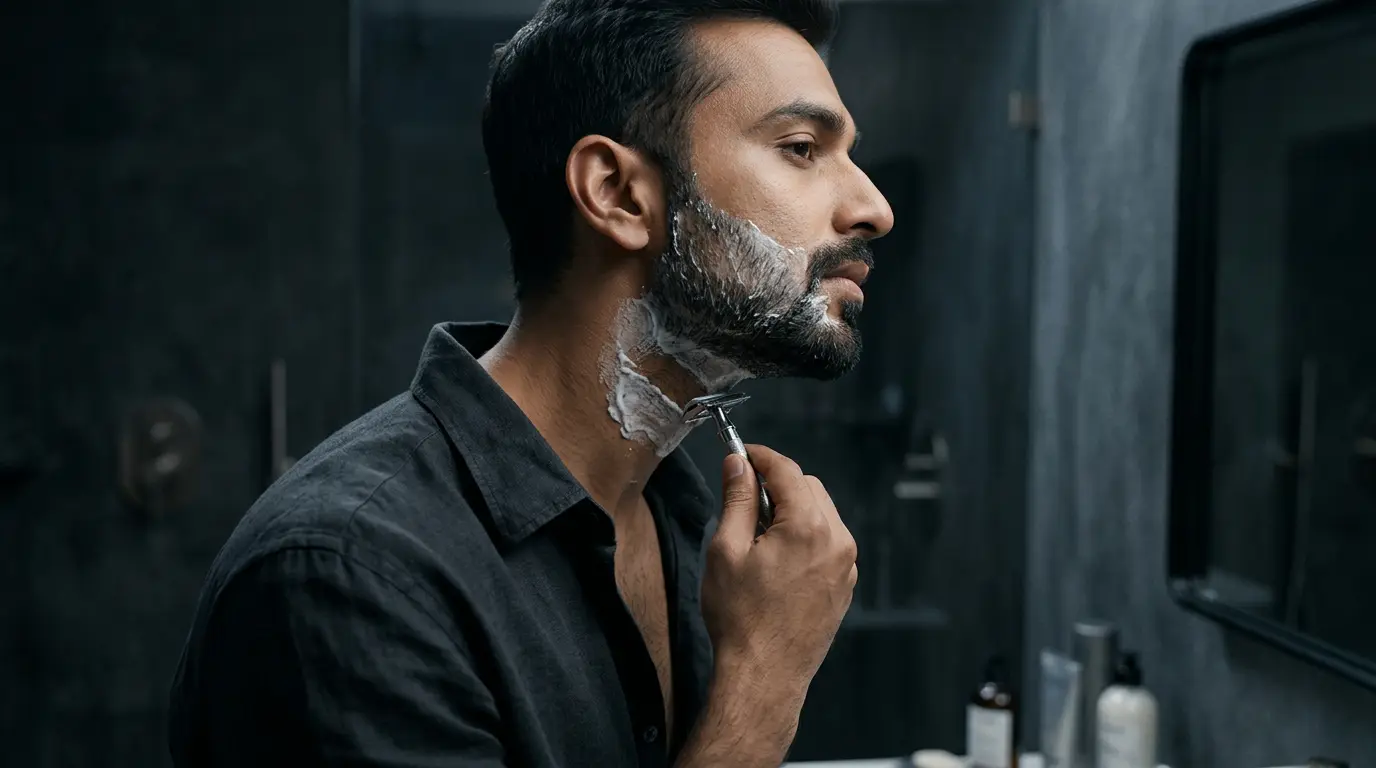
Men often ignore the eye area entirely, and rarely apply sunscreen close to the eyes. Yet UV exposure is a major driver of pigmented circles. Simply extending your morning sunscreen up to the lower lash line and onto the orbital bone, and wearing sunglasses outdoors, is the easiest improvement most men can make.
How to apply products around the eyes
The skin under the eyes is among the thinnest on the body, so technique matters.
- Use your ring finger, which naturally applies the least pressure.
- Take a rice-grain amount for both eyes.
- Dot it along the orbital bone (the bony rim you can feel under the eye), not right up against the lashes.
- Pat gently from the inner corner outward. Do not drag or rub.
- Let it absorb for a minute before sunscreen. In the morning, take your sunscreen right up to the orbital bone too; this is the step most people miss, and it matters most for brown, pigmented circles.
Keep actives like retinol and vitamin C slightly further from the lash line than moisturiser. Products naturally migrate a little, and getting them into the eye causes stinging and watering. If your eyes become red or irritated, stop the product and rinse with clean water.
A realistic routine
Morning: gentle cleanser, niacinamide or vitamin C serum (patting it lightly on the orbital bone), moisturiser, sunscreen including the under-eye area, sunglasses outdoors.
Night: gentle cleanser, caffeine or peptide eye gel, moisturiser. Optionally, a gentle retinol two nights a week on the orbital bone once your face tolerates it.
Results: puffiness can improve immediately. Pigment takes 8 to 12 weeks of daily sunscreen and actives.
When to see a dermatologist
If dark circles are severe, worsening, or bothering you a lot, a dermatologist can offer chemical peels, prescription brightening agents, lasers for pigment or vessels, and fillers for hollows. These work far better than over-the-counter products for stubborn cases.
Products mentioned
*Prices are approximate at the time of writing. Check the retailer for today's price, or compare all products.

Frequently asked questions
Do cucumbers and cold tea bags work?
Cold compresses temporarily reduce puffiness by constricting blood vessels. The cold does the work, not the cucumber. They do not affect pigmentation.
Can dark circles be genetic?
Yes. Pigmentation around the eyes and the depth of the under-eye hollow are often inherited. Genetic circles can be improved but rarely disappear completely with skincare alone.
Do I need a separate eye cream?
Not necessarily. A gentle, fragrance-free face moisturiser works around the eyes for most people. Eye products are useful if they contain targeted ingredients like caffeine, niacinamide, vitamin C or retinol at gentle strengths.
This article is for education only and is not a substitute for advice from a qualified dermatologist. Patch test new products. See our medical disclaimer.